 קנאביס ישראל מאגר מידע קנאביס בישראל
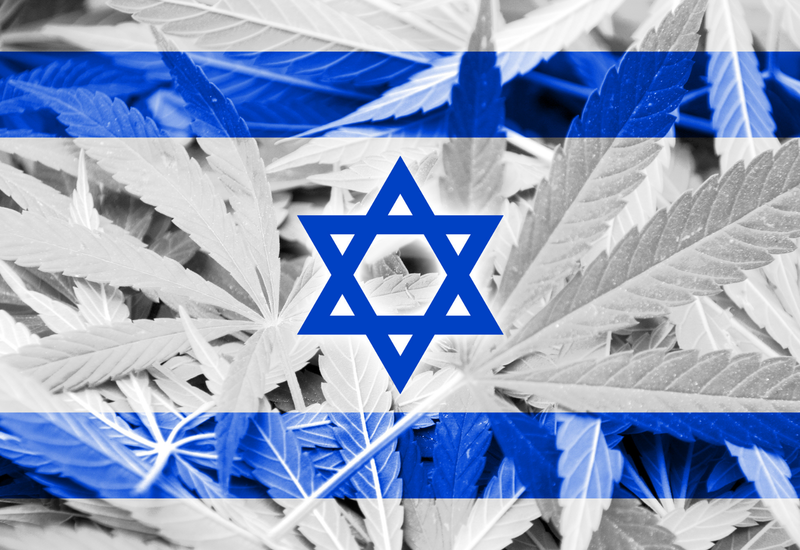
Cannabis in ancient Israel has long been a topic of interest for historians, archaeologists, and researchers studying the region's cultural and religious history. Recent discoveries suggest that cannabis played a role in spiritual rituals and medicinal practices. With evidence dating back thousands of years, scholars continue to explore how cannabis influenced ancient societies, particularly in Israel and surrounding regions.
💎 קבוצות מדורגות בטלגרם 💎



Did Cannabis Exist in Ancient Israel?
Archaeological Evidence
Recent excavations in ancient Israel revealed cannabis traces, hinting at its role in rituals and medicine. In 2020, researchers found resin on a Tel Arad temple altar, supporting its use in Hebrew ceremonies. This evidence confirms cannabis was known and used in religious settings.
Biblical References and Interpretations
While the Bible does not explicitly mention cannabis, some scholars believe certain Hebrew words may refer to the plant. For instance, the term "Kaneh Bosem", which appears in the Old Testament, has been linked by some researchers to cannabis. This substance was part of sacred anointing oils used in temple rituals. Although the interpretation remains debated, it adds to the speculation that cannabis in ancient Israel played a role in religious traditions.
How Was Cannabis Used in Ancient Israel?
Religious Rituals
Cannabis was likely burned as incense in temples, contributing to spiritual experiences and altered states of consciousness. Ancient cultures often used psychoactive substances in their worship, and the presence of cannabis at Tel Arad supports the idea that it may have been used for similar purposes.
Medicinal Practices
The ancient world widely used plant-based remedies, and cannabis was likely part of traditional medicine. It may have helped with pain relief, inflammation, and digestive issues. Ancient herbalists would have recognized its healing properties, much like other plants with medicinal value.
Textile and Agricultural Uses
Beyond its psychoactive and medicinal applications, cannabis was likely cultivated for its fibers. Hemp, a non-psychoactive variety of cannabis, was used in rope-making, textiles, and construction materials. This suggests that cannabis had multiple uses in daily life, from practical applications to spiritual practices.
Did Other Ancient Civilizations Use Cannabis?
Egypt
Ancient Egyptians used cannabis for pain management and spiritual ceremonies. Some records suggest that pharaohs and priests may have used cannabis-infused remedies to treat various ailments.
Mesopotamia
The Sumerians and Assyrians documented cannabis use in medicine and religious practices. Texts from these civilizations mention a plant called "qunubu," which may refer to cannabis and its role in early healing traditions.
India
In ancient India, cannabis played a central role in religious and medical traditions. The Atharva Veda, a sacred Hindu text, describes cannabis as one of the five sacred plants and a source of healing.
China
Ancient Chinese texts from as early as 2700 BCE mention cannabis as a treatment for pain, inflammation, and digestive disorders. Chinese herbalists recognized its therapeutic potential, using it in traditional medicine.
How Did Cannabis Spread to Ancient Israel?
Trade Routes and Cultural Exchange
Cannabis likely arrived in ancient Israel through trade networks connecting Mesopotamia, Egypt, and India. Merchants traveling along these routes introduced various herbs and plants, including cannabis.
Influence from Neighboring Cultures
Since nearby civilizations used cannabis for medicine, textiles, and religious ceremonies, Israel may have adopted similar practices. The influence of Mesopotamian and Egyptian traditions could have played a role in incorporating cannabis into local customs.
Was Cannabis Legal in Israel?
Absence of Prohibition
Unlike modern drug policies, ancient societies did not have strict laws against cannabis use. Instead, it was considered a useful and sacred plant. There are no historical records of cannabis being banned in ancient Israel, suggesting it was widely accepted.
Religious Control and Temple Use
While cannabis was not illegal, it was likely controlled by priests and religious leaders. Access to psychoactive substances may have been limited to those conducting sacred rituals.
What Happened to Cannabis Use in Ancient Israel?
Shifts in Religious and Cultural Norms
As monotheistic traditions evolved, some ancient practices, including the use of psychoactive substances, faded. Religious reforms may have led to a decline in cannabis use for worship.
Introduction of Alternative Remedies
Over time, other medicinal plants and treatments became more common, replacing earlier herbal remedies. Although cannabis remained known, it may have been used less frequently in daily life.
What Can We Learn from Ancient Cannabis Use?
Historical Significance
The discovery of cannabis in ancient Israel highlights its long history in human culture. Learning about past uses provides insight into how societies viewed and valued the plant.
Scientific and Medical Applications
Studying ancient texts and archaeological findings helps researchers understand cannabis’s historical medical uses. This knowledge supports modern research and treatment development.
Cultural Influence
The link between cannabis and spirituality in ancient Israel mirrors global trends. Learning how past societies used it helps modern users see its deeper significance.
FAQs
Did ancient Israelites smoke cannabis?
Evidence suggests that cannabis may have been burned as incense in religious rituals, rather than smoked in the way it is today.
Was cannabis legal in ancient Israel?
There were no laws against cannabis, and it was likely accepted as a medicinal and spiritual plant.
Did biblical figures use cannabis?
Some scholars believe that the anointing oil mentioned in the Bible contained cannabis extracts, but this interpretation remains debated.
How did cannabis reach ancient Israel?
Trade routes from Mesopotamia, Egypt, and India likely introduced cannabis to ancient Israel.
Is there archaeological evidence of cannabis in ancient Israel?
Yes, cannabis residue was found on an altar at Tel Arad, confirming its presence in ancient religious practices.
Conclusion
Cannabis in ancient Israel had a key role in religion, medicine, and daily life. Archaeological findings and texts suggest its use in ceremonies, healing, and textiles. Over time, its role declined. However, modern research continues to reveal its influence. Studying its past applications helps researchers understand its long-standing connection to human civilization.